
Exploring a remarkable plant that supports nutrition, sustainable agriculture, and community well-being
Caption: Moringa trees growing at Shekinah Farms’ demonstration farm in Belem, Kumbo, where farmers learn about nutritious and climate-resilient crops.
Some plants provide food. Others improve soil health. A few support both people and the environment in multiple ways.
Moringa is one of those plants.
Often referred to as the “miracle tree,” moringa is valued throughout Africa and many parts of the world because nearly every part of the plant can be used. From nutrition and food preparation to soil improvement and sustainable farming, moringa continues to demonstrate why it deserves its reputation as a plant with purpose. At Shekinah Farms’ demonstration farm in Belem, Kumbo, we are exploring the many benefits of moringa while helping farmers and community members learn how this remarkable tree can contribute to healthier diets and more resilient farming systems.
A Nutritional Powerhouse
One of moringa’s greatest strengths is its exceptional nutritional value.
Moringa leaves contain important nutrients that support healthy growth and overall well-being, including:
- Protein
- Calcium
- Iron
- Potassium
- Vitamins A and C
These nutrients make moringa a valuable addition to diets, particularly in communities where access to diverse and nutritious foods may be limited.
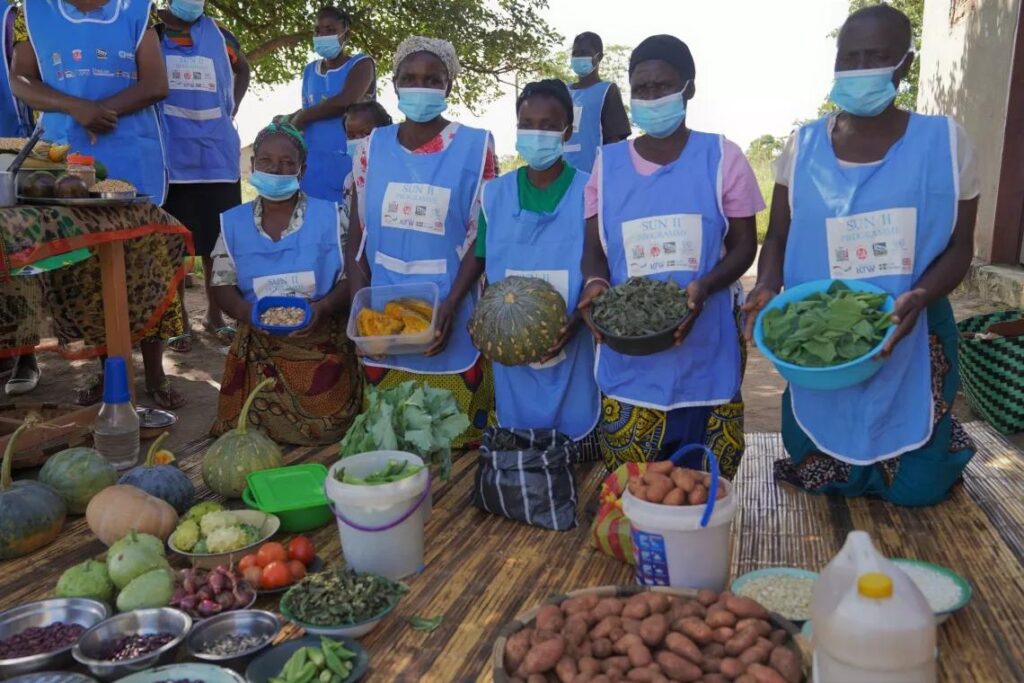
Caption: Moringa leaves are rich in vitamins, minerals, and plant-based nutrients that support healthy diets.
Many families incorporate moringa into meals as a practical way to improve dietary diversity and nutrition.
From Garden to Kitchen
Across many communities, moringa leaves are used in a variety of ways.
Fresh leaves can be added to soups, stews, sauces, and vegetable dishes. Dried leaves are often processed into powder and added to foods, teas, or nutritional supplements. Its versatility makes it an important crop for households seeking affordable and nutritious food options.
Caption: Moringa can be consumed fresh or processed into powder for use in a variety of nutritious foods.
As interest in healthy eating grows, moringa continues to gain recognition as a valuable traditional food resource.
Benefits Beyond Nutrition
Moringa’s value extends far beyond the kitchen.
On the farm, we appreciate moringa for its rapid growth and ability to produce large amounts of nutrient-rich biomass. The leaves and plant material can contribute to compost production and soil improvement efforts, making moringa useful in sustainable agriculture systems.
Its ability to thrive under challenging conditions also makes it a promising crop for climate resilience and diversified farming systems.

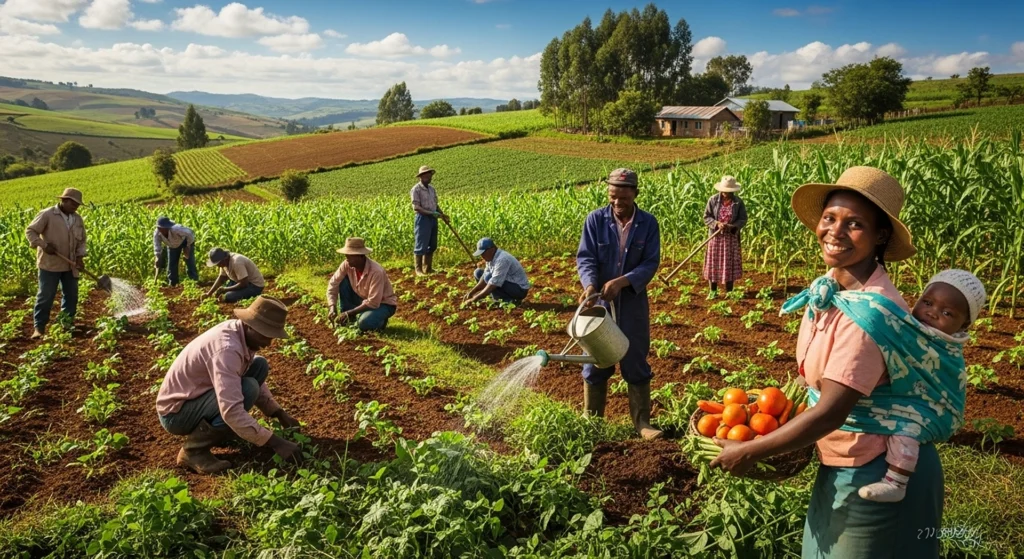
Caption: Moringa contributes to sustainable farming systems through rapid growth and abundant biomass production.
For farmers seeking crops that provide multiple benefits, moringa offers both nutritional and agricultural value.
Learning Through Demonstration
At the Belem demonstration farm, moringa serves as a learning tool for farmers interested in exploring alternative crops and sustainable agricultural practices.
Visitors can observe the growth of moringa, learn about its uses, and discuss practical ways to incorporate it into their own farming systems.
The demonstration approach allows farmers to see firsthand how innovative and traditional crops can complement one another to improve food security and farm resilience.

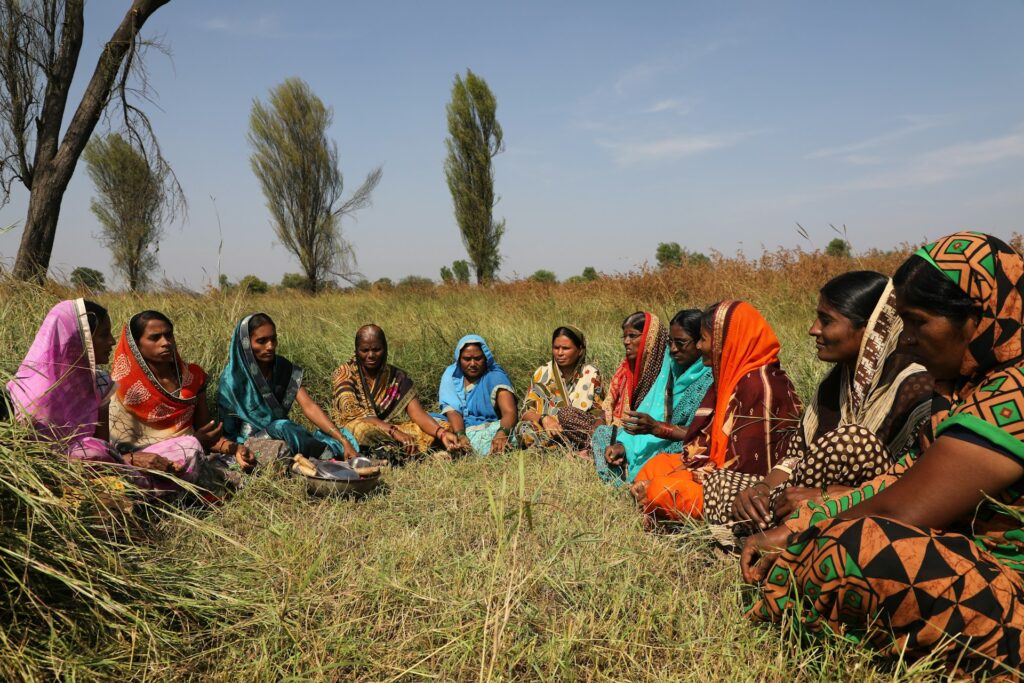
Caption: Farmers learn about the nutritional and agricultural benefits of moringa during a demonstration farm training session.
By sharing knowledge and practical experience, we help communities discover new opportunities for improving nutrition and livelihoods.
A Plant with Purpose
Moringa reminds us that some plants can serve multiple roles within a community.
It is:
- A source of nutrition
- A valuable food crop
- A contributor to sustainable agriculture
- A tool for farmer education
- A resource for strengthening community resilience
At Shekinah Farms, we believe that promoting plants with multiple benefits can help communities build healthier food systems while preserving valuable agricultural knowledge. As we continue to experiment with culturally important and climate-resilient crops, moringa remains one of the most exciting plants growing at our demonstration farm.
Plant Snapshot
Plant: Moringa (Moringa oleifera)
Location: Demonstration Farm, Belem, Kumbo
Uses:
- Food
- Nutrition supplements
- Teas
- Soil improvement
- Farmer training
Key Nutrients:
- Protein
- Calcium
- Iron
- Potassium
- Vitamins A and C
Why We Grow It:
- Nutritional benefits
- Climate resilience
- Agricultural value
- Community education
Follow Our Journey Stay connected with Shekinah Farms for more stories about useful plants, traditional agricultural knowledge, nutrition education, and sustainable farming practices that support healthier communities.