
1
Smallholder Farmers

2
Harvest Preservation

3
Agro-Processing Hubs

4
Nutrition Value Chains

5
Community Health
Solar Drying Clusters
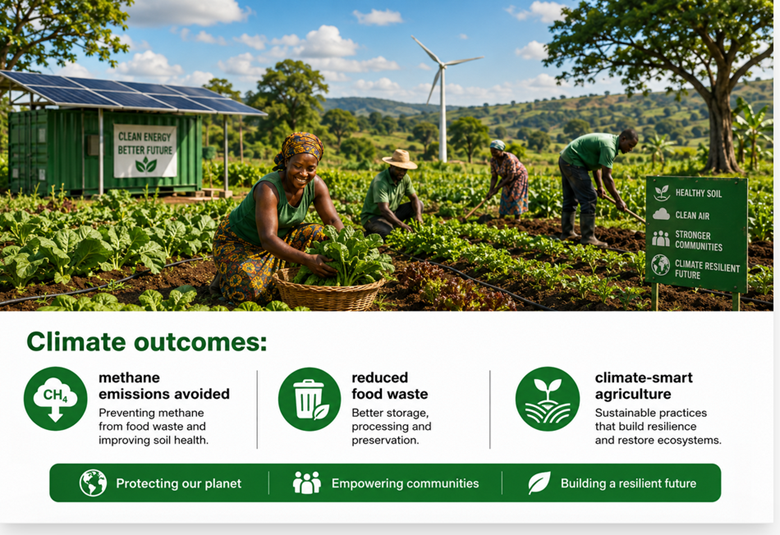
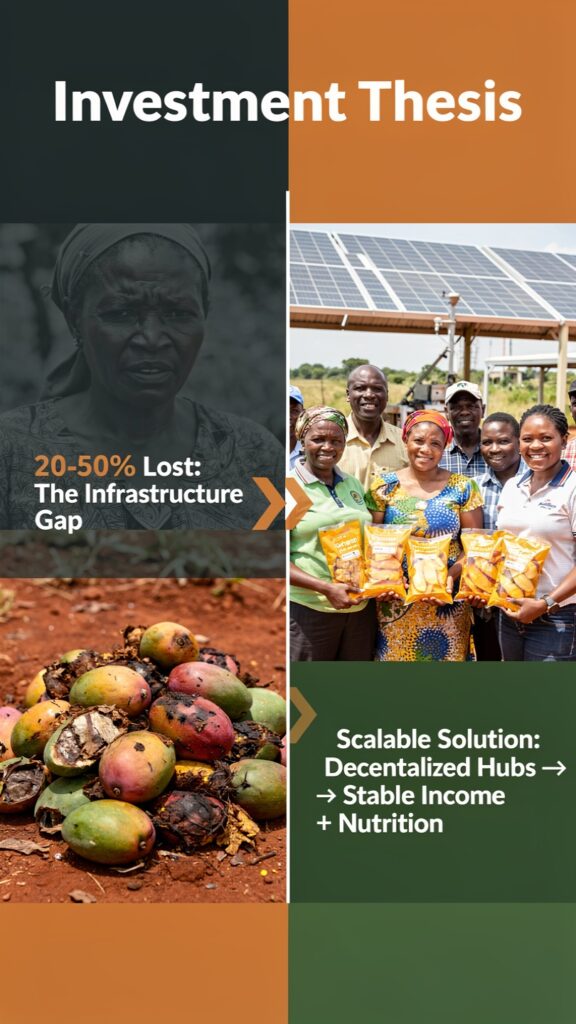
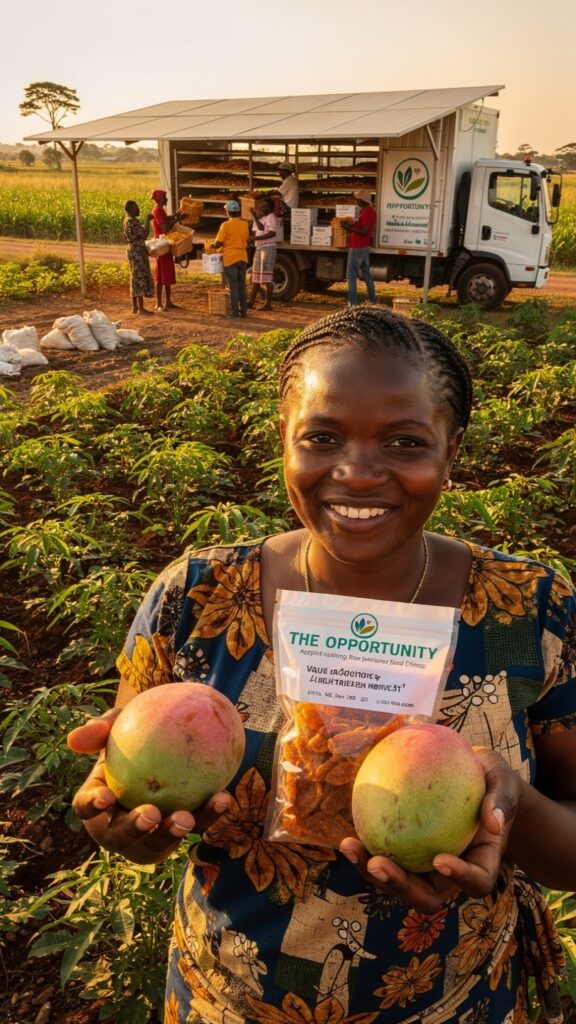
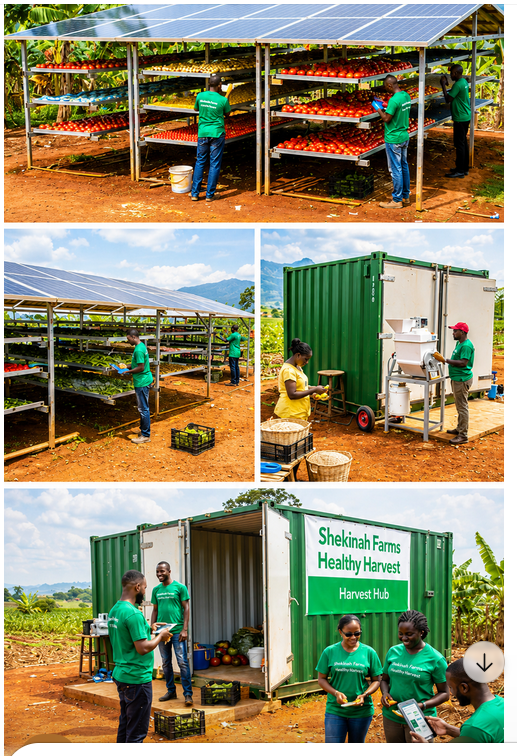
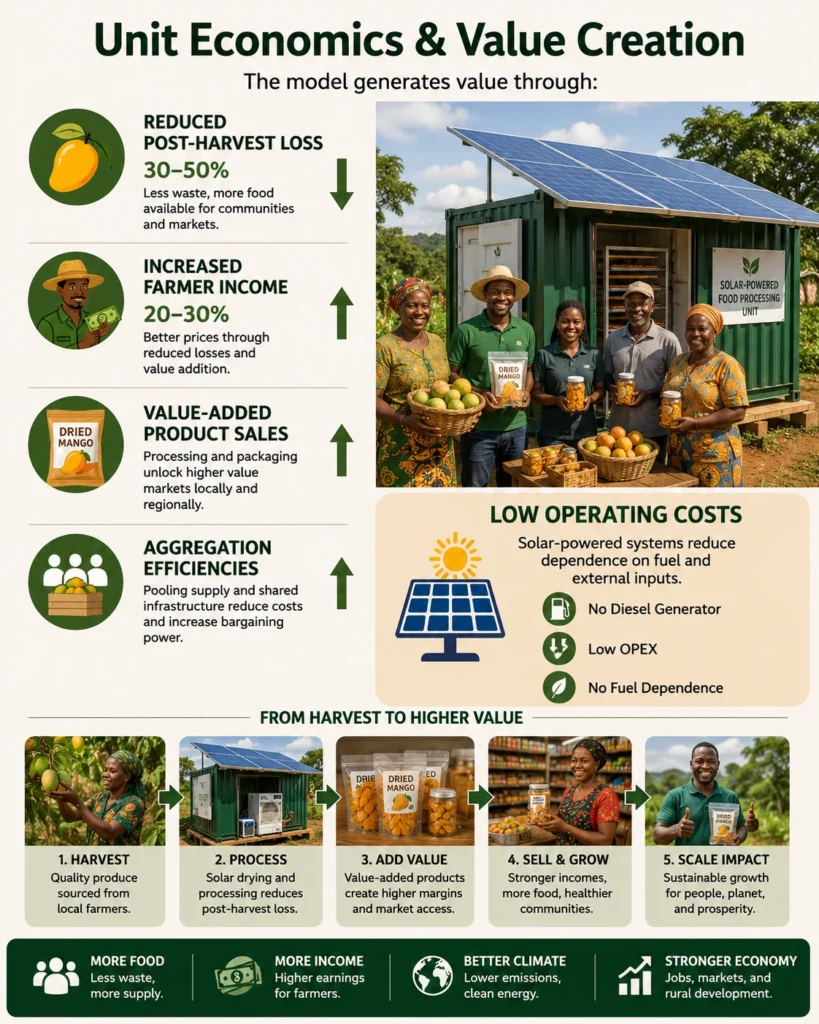
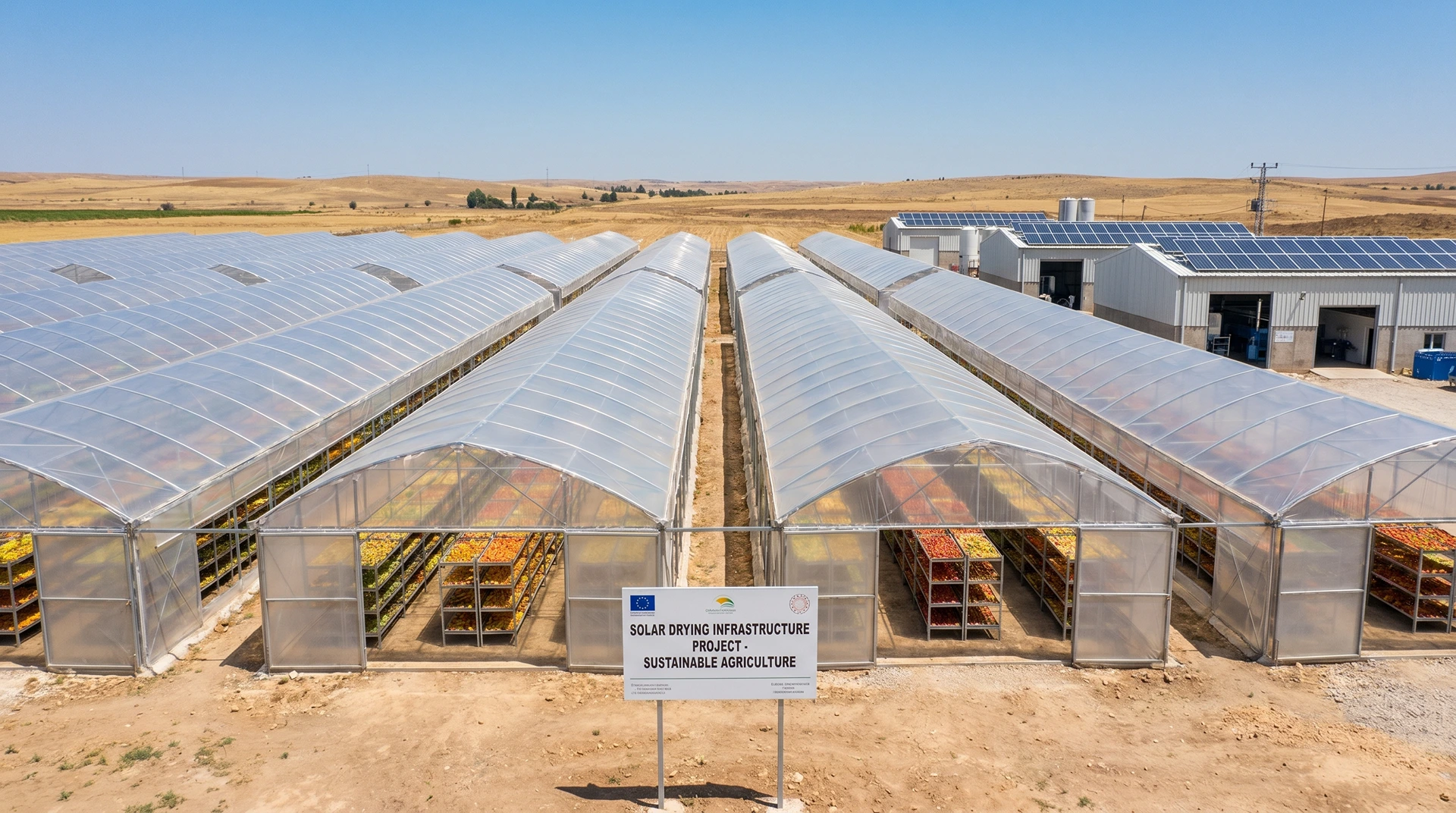
Solar drying clusters are the starting point for creating value in the Healthy Harvest ecosystem run by Shekinah Farms. They help keep perishable crops fresh right after harvest, which lowers waste, increases shelf life, and turns produce into products ready for the market. This process also leads to better incomes and a more dependable food supply.
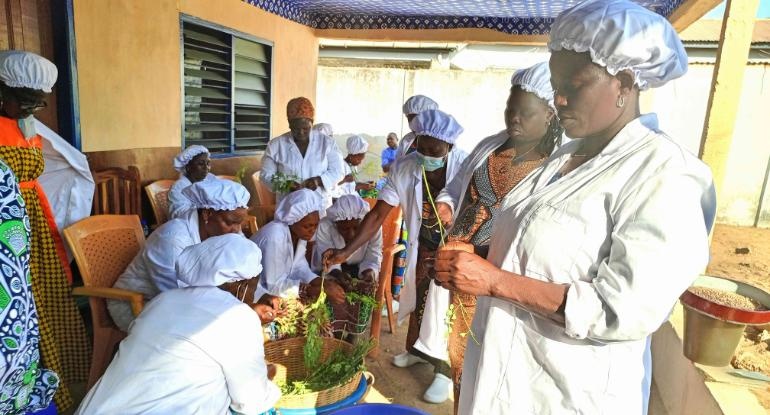
Farmer Training
Farmers will get practical training in post-harvest preservation methods, clean food handling, packaging, and marketing. This will help them turn fresh crops into safe, shelf-stable, and market-ready products. This comprehensive method allows farmers to minimize losses, meet quality requirements, and find improved market opportunities, which will ultimately boost their income and enhance their position in the value chain.
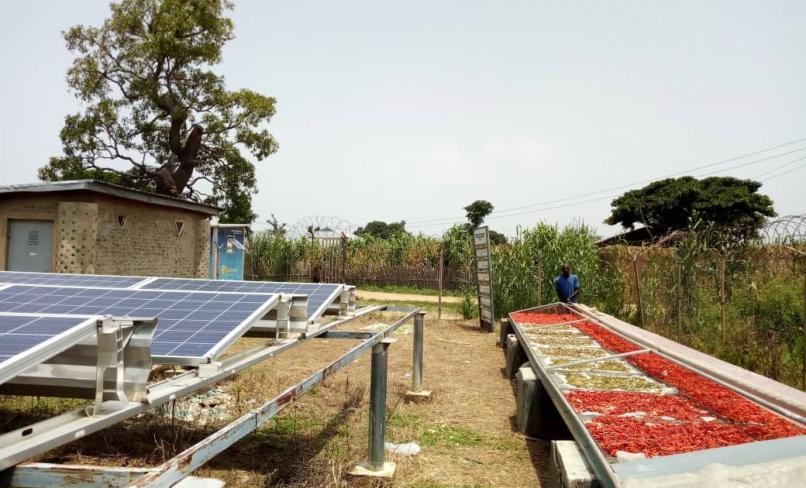
Processing Hub
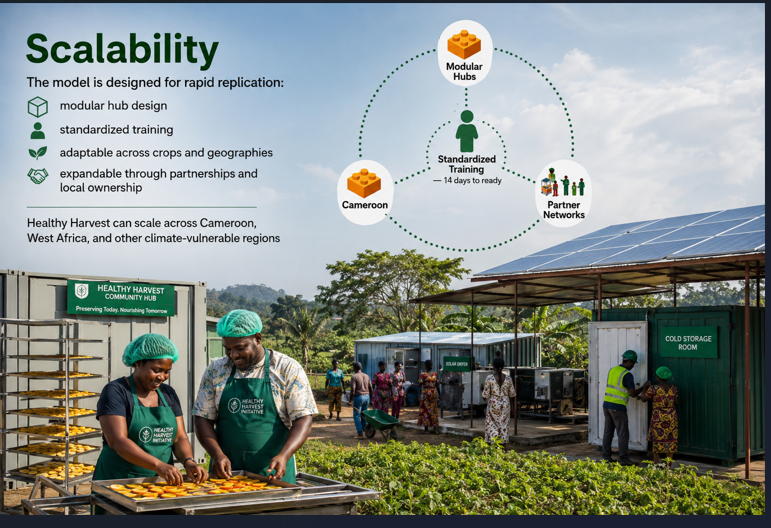
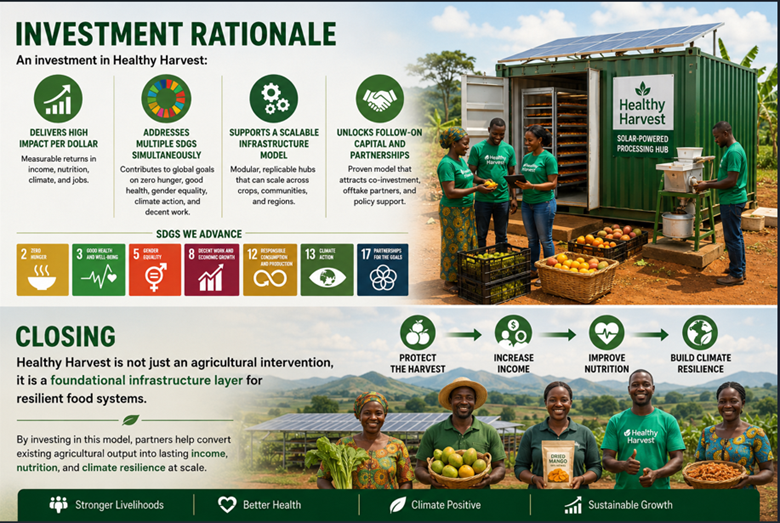
At its core, the hub includes solar drying units, basic milling and storage facilities, and a clean, organized workspace for sorting, processing, and packaging produce. Farmers bring their harvested crops to the hub, where they are quickly processed to prevent spoilage and converted into shelf-stable, higher-value products such as dried vegetables, spices, and grains.
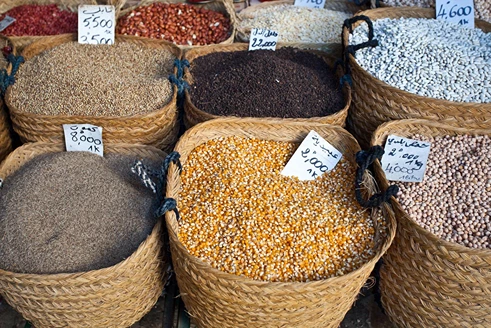
Local market Distribution
Local market distribution turns preserved harvests into income, nutrition, and sustained economic activity within the community.
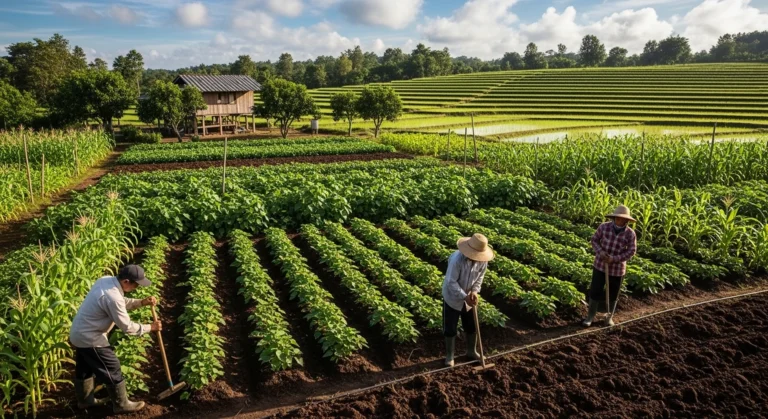
Biofortified Agriculture
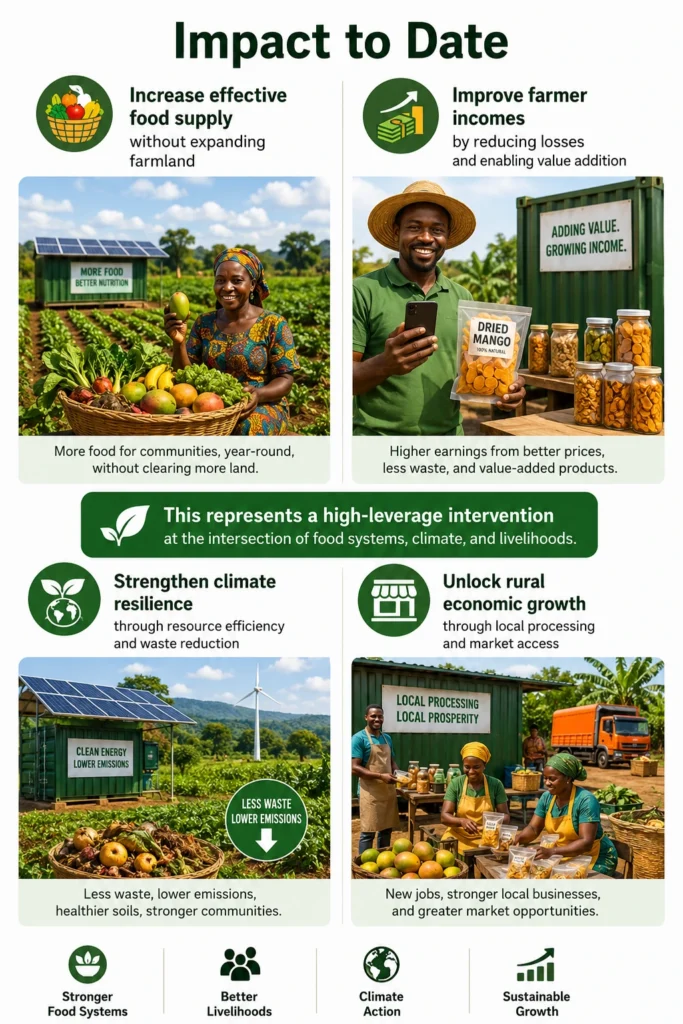
Crops are produced with enhanced nutrition, preserved to prevent loss, processed into accessible products, and distributed locally, reducing waste and keeping value within the community. By combining biofortified agriculture, solar-powered processing, nutrient-rich products, and affordable local distribution, we deliver a practical, scalable solution to food insecurity, climate resilience, and public health.
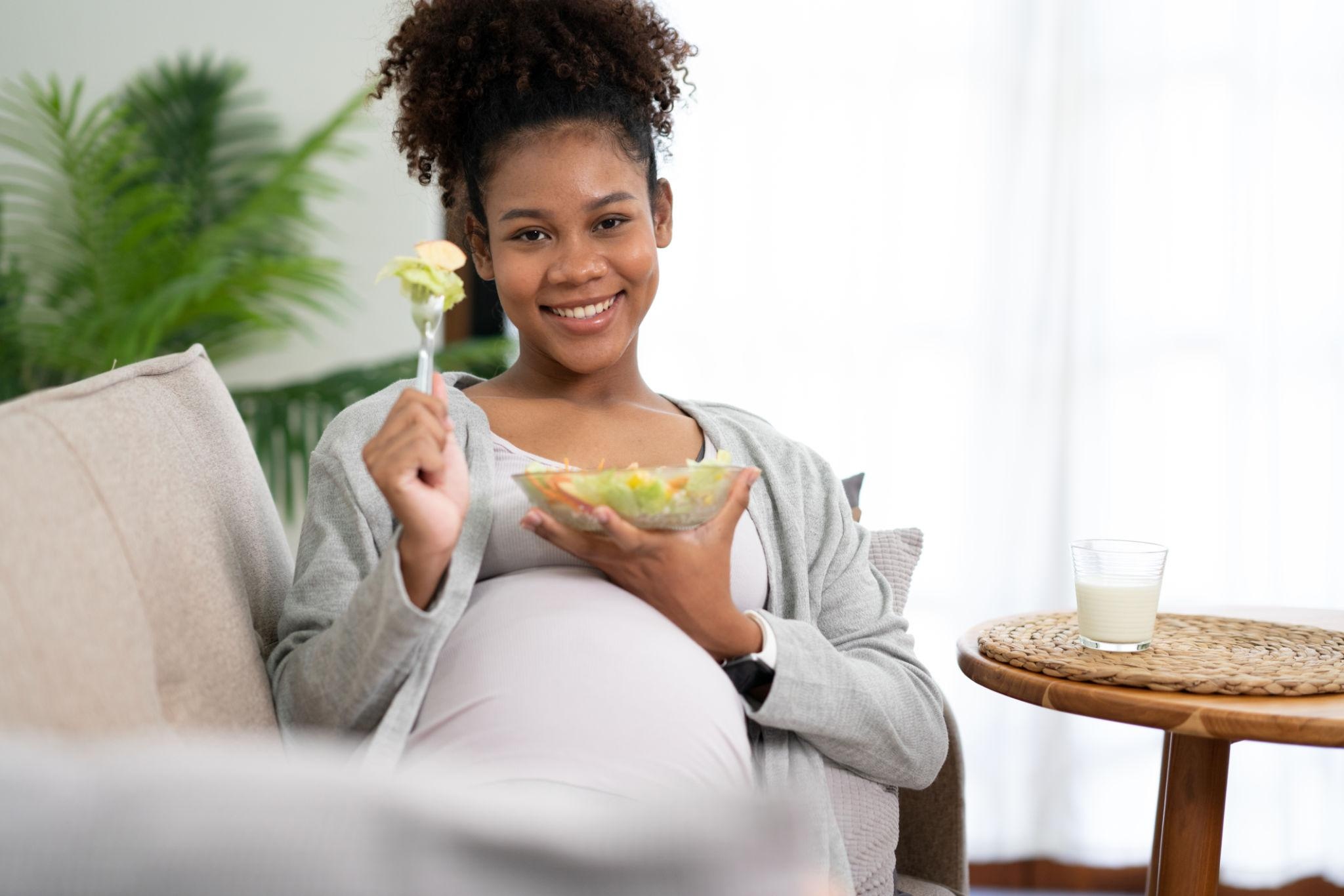
Maternal Nutrition
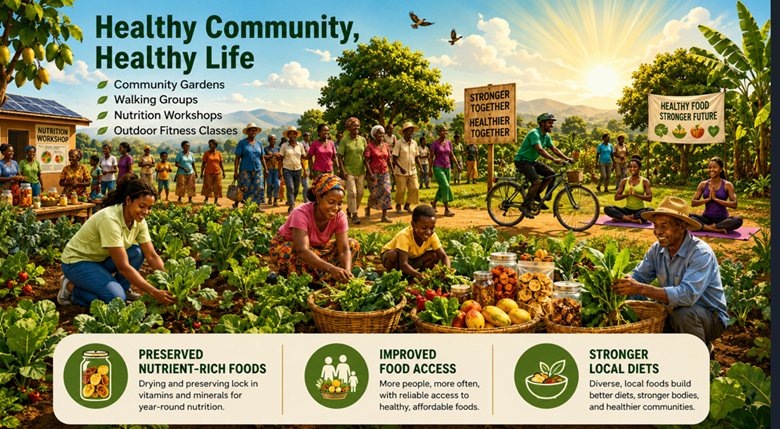
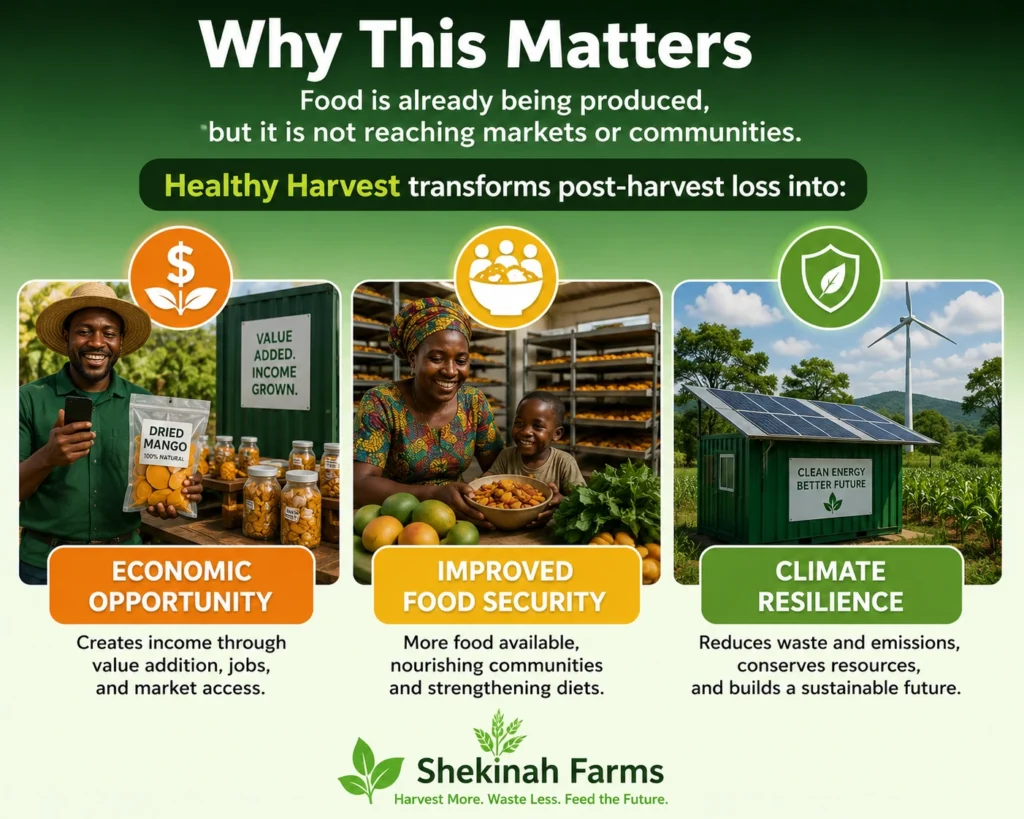
When crops are lost after harvest, it’s often the most nutrient-rich foods—fruits, vegetables, and legumes—that disappear first. This directly affects pregnant and breastfeeding women, who need consistent access to micronutrient-dense foods. Protecting the harvest helps ensure that mothers have consistent access to the nutritious foods needed for healthy pregnancies and child development.
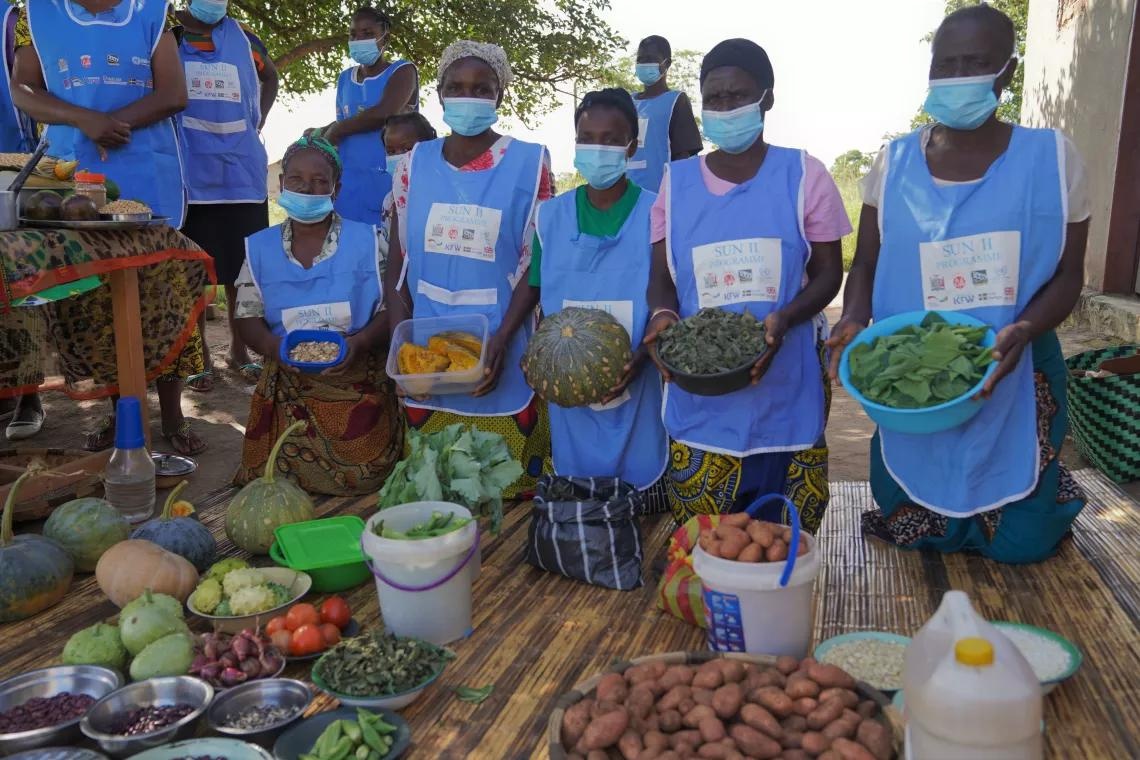
Community Health Initiatives
Linking food systems to health ensures that better nutrition translates into stronger, more resilient communities. Community health initiatives build resilience by improving nutrition, preventing disease, and strengthening local capacity to respond to shocks. Healthier individuals can work, learn, and adapt more effectively, while community-based programs foster trust and shared responsibility.