Celebrating a traditional vegetable that nourishes health, culture, and community
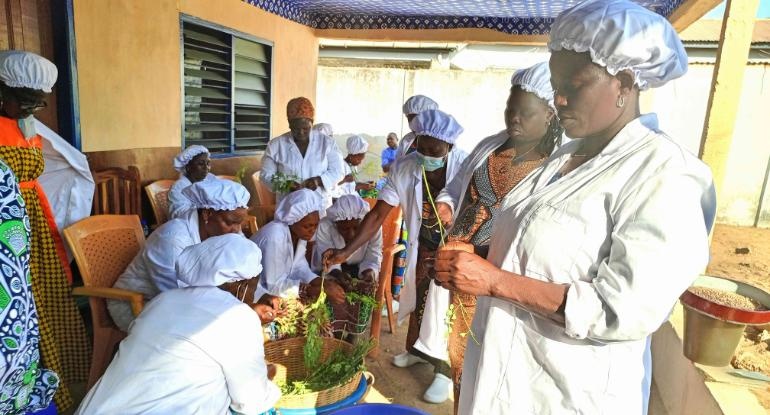
Food is more than nourishment. It is a connection to family traditions, cultural heritage, and community identity.
Among the many traditional vegetables enjoyed across Africa, bitterleaf holds a special place. Known for its distinctive flavor and remarkable nutritional value, bitterleaf has been a staple ingredient in countless households for generations. Today, as more people seek healthy and nutrient-rich foods, bitterleaf continues to demonstrate why traditional vegetables deserve a place on modern plates.
A Nutritional Powerhouse
Bitterleaf is rich in vitamins, minerals, antioxidants, and dietary fiber that support overall health and wellness.
Its nutritional benefits include:
- Essential vitamins that support immune function
- Minerals that contribute to healthy body functions
- Antioxidants that help protect cells from damage
- Dietary fiber that supports digestion and gut health
Many people are surprised to learn that traditional vegetables such as bitterleaf often contain nutrient levels comparable to—or even greater than—many commonly consumed greens.
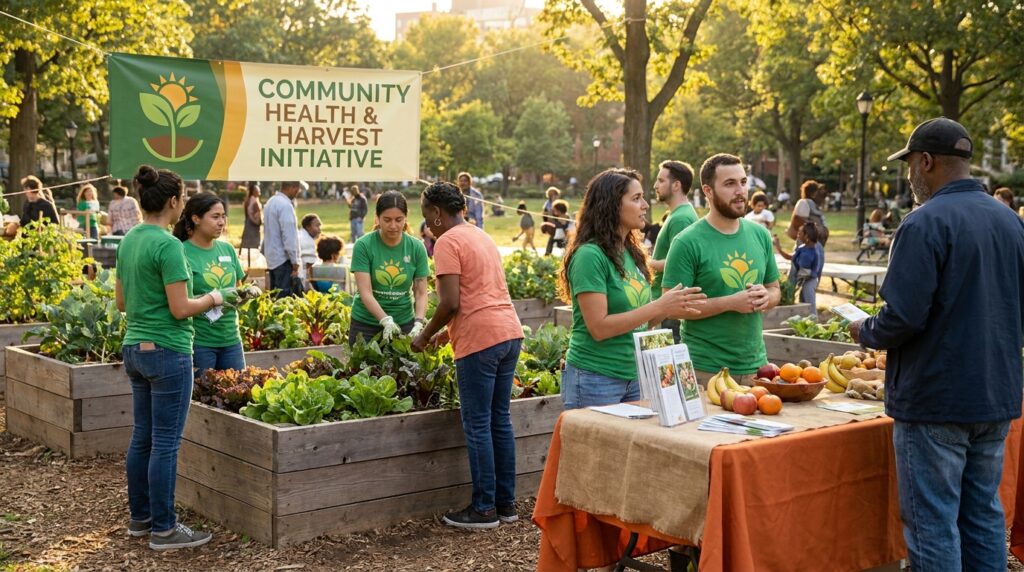
As communities seek affordable and nutritious food options, traditional vegetables remain an important part of the solution.
A Key Ingredient in Traditional Cuisine
Beyond its nutritional value, bitterleaf is deeply connected to culinary traditions and cultural identity.
It is commonly used in beloved dishes such as:
- Ndolé
- Bitterleaf soup
- Vegetable stews
- Mixed vegetable dishes
Its unique taste adds depth and character to meals while connecting families to recipes that have been passed down through generations.

For many families, preparing these meals is more than cooking. It is an opportunity to preserve cultural traditions and share stories across generations.
From Farm to Table
At Shekinah Farms, we are committed to growing culturally significant crops that support both nutrition and food heritage.
By producing traditional vegetables such as bitterleaf, we help increase access to fresh, locally grown foods while promoting dietary diversity and healthy eating.
Our goal is not only to grow crops but also to educate communities about their nutritional benefits and cultural importance.
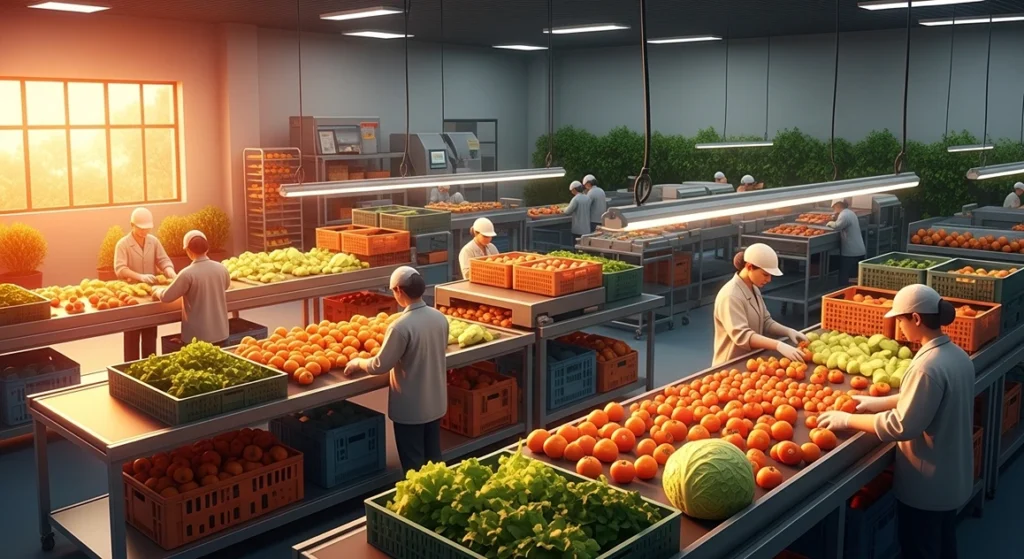
Through community workshops, farmers markets, and educational programs, we encourage families to rediscover the value of traditional foods.
Preserving Heritage Through Food
Traditional foods connect us to our roots.
They remind us of family gatherings, community celebrations, and the knowledge passed from one generation to the next. In a rapidly changing world, preserving these food traditions helps strengthen cultural identity while promoting healthier eating habits.

When we choose foods like bitterleaf, we are doing more than nourishing our bodies. We are honoring traditions, supporting local agriculture, and keeping cultural knowledge alive.
Why Bitterleaf Matters
Bitterleaf is more than a vegetable.
It is:
- A source of nutrition
- A connection to cultural heritage
- A key ingredient in traditional cuisine
- A tool for promoting healthy diets
- A reminder that traditional foods still have an important place in modern communities
At Shekinah Farms, we believe that healthy communities begin with healthy food—and that some of the best foods are those that have nourished generations before us.
Nutrition Snapshot
Vegetable: Bitterleaf
Common Uses:
- Ndolé
- Bitterleaf soup
- Vegetable stews
- Traditional family meals
Key Benefits:
- Rich in vitamins and minerals
- Good source of dietary fiber
- Contains beneficial antioxidants
- Supports healthy eating and dietary diversity
Why We Grow It:
- Nutritional value
- Cultural significance
- Community demand
- Food heritage preservation
Follow Our Journey
Stay connected with Shekinah Farms for recipes, nutrition tips, traditional food stories, and practical ways to incorporate healthy, culturally significant foods into everyday meals.