
From Waste to Value
At noon, Joseph’s mangoes are worth $0.40/kg. By late afternoon, heat and time reduce their quality, and buyers walk away. By evening, they will spoil—erasing nearly $3,000 of income in a single day.
This is not an isolated story. It is the daily reality for thousands of smallholder farmers.
Now imagine a different outcome.
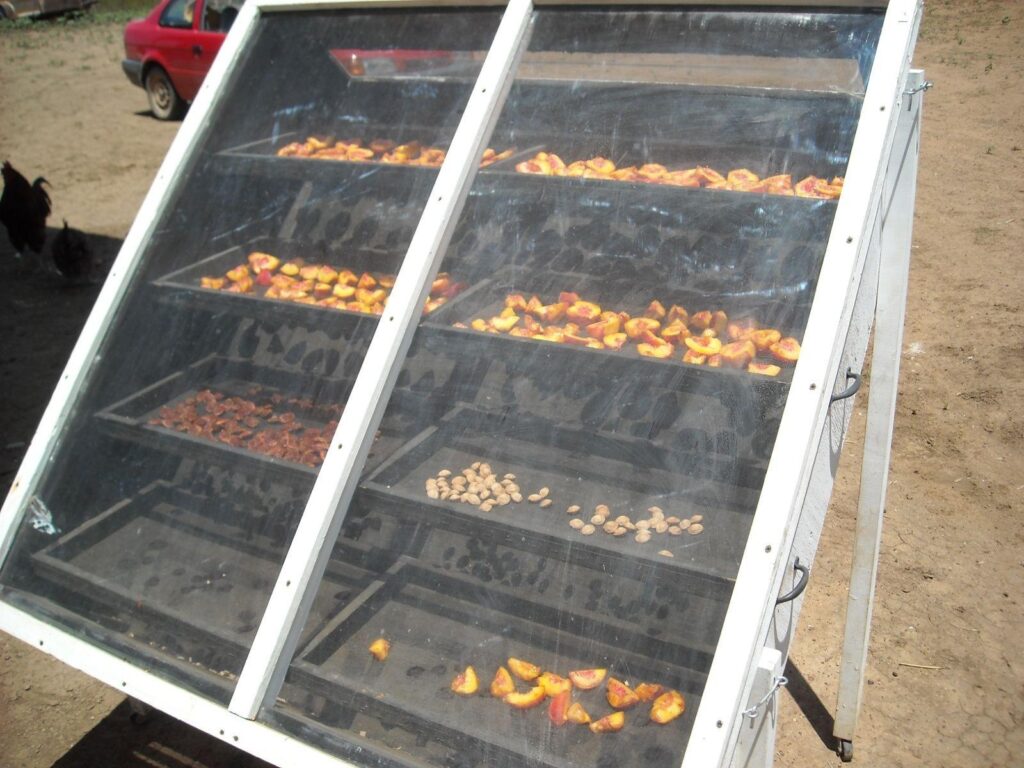
With access to mobile or community-based drying, those same mangoes are preserved at the point of loss, transformed within 24 hours into shelf-stable, high-value products that can reach premium markets. What was once waste becomes income. What was once loss becomes opportunity.
For farmers like Joseph, this means:
- immediate cash flow instead of total loss
- access to new markets
- greater stability and dignity in their work
For partners, this represents a powerful opportunity to:
- unlock value from existing agricultural production
- reduce food loss at scale
- contribute to climate and sustainability goals
- support resilient, community-based food systems
Every ton we dry avoids 4.5 tons CO2e and adds $550 to a household. We’re now scaling from 1 to 15 units across NW/SW Cameroon. Seeking partners who want IRR + impact in one of Africa’s toughest ag markets.
Let’s talk if you’re investing in food systems or climate resilience.
The Toll Road - Mami Esther’s Cold Room in Bamenda
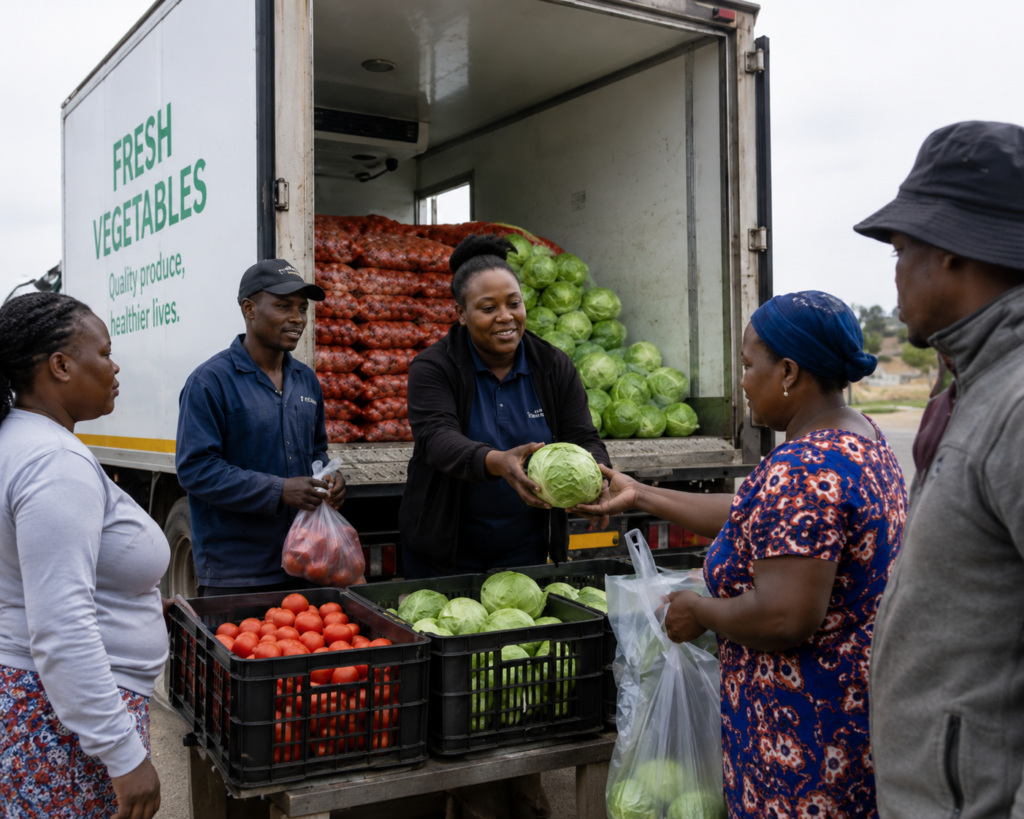
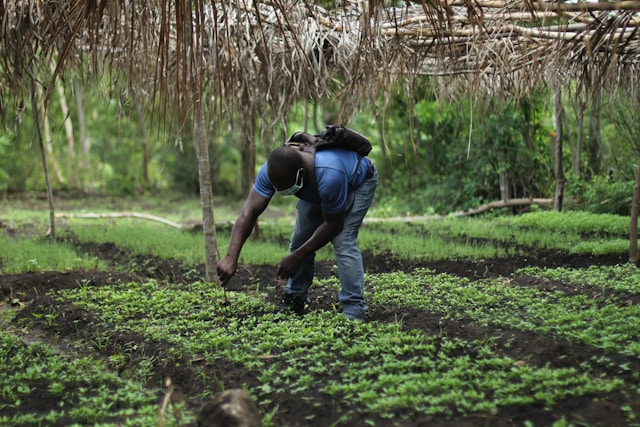
Mami Esther farms tomatoes and cabbage in Santa, Northwest Region. Every dry season, she harvests 8 tons. But the road to Bamenda market is bad, and without cold storage, 3 tons soften and rot before she can sell. That’s 150,000 CFA she loses each cycle.
We installed a 3-ton solar cold room at the Santa farmers’ cooperative. Mami Esther now pays 30 CFA/kg to store for 10 days while prices stabilize. She sells 7.5 tons instead of 5, and gets 200 CFA/kg instead of 120 CFA/kg rush-sales. We collect 225,000 CFA from her per season.
- The Anglophone regions lose 35%+ of perishables post-harvest due to conflict-disrupted logistics + no cold chain. We’re building the toll roads for food. Each site breaks even in 18 months and can be secured/community-operated.
- We’ve proven we can turn 200 CFA of tech into 1,000 CFA of farmer income. We’re raising to 150 million CFA in NW/SW Cameroon. If you invest in food security, rural infrastructure, or emerging market ag-tech, let’s talk. Who on your team should I send the data room to?
Climate Impact of Rotten Fruits
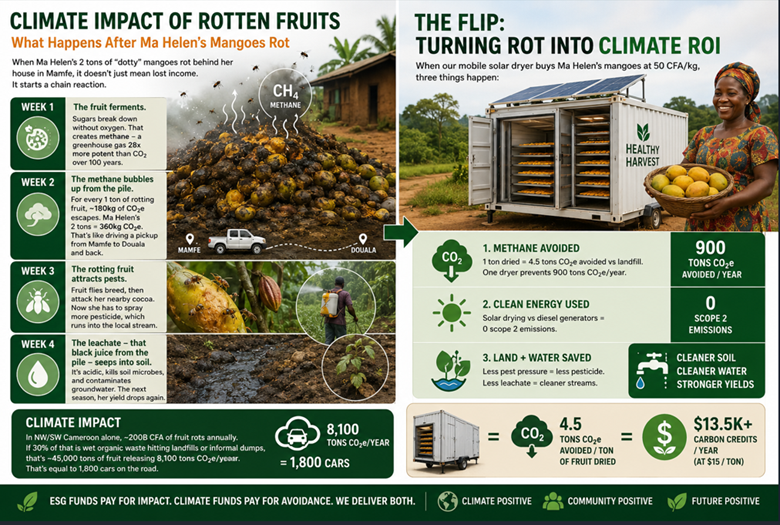
When Ma Helen’s 2 tons of “dotty” mangoes rot behind her house in Mamfe, it doesn’t just mean lost income. It starts a chain reaction.
Week 1: The fruit ferments. Sugars break down without oxygen. That creates methane — a greenhouse gas 28x more potent than CO2 over 100 years.
Week 2: The methane bubbles up from the pile. For every 1 ton of rotting fruit, ∼180kg of CO2e escapes. Ma Helen’s 2 tons = 360kg CO2e. That’s like driving a pickup from Mamfe to Douala and back.
Week 3: The rotting fruit attracts pests. Fruit flies breed, then attack her nearby cocoa. Now she has to spray more pesticide, which runs into the local stream.
Week 4: The leachate — that black juice from the pile — seeps into soil. It’s acidic, kills soil microbes, and contaminates groundwater. The next season, her yield drops again.
In NW/SW Cameroon alone, ∼200B CFA of fruit rots annually. If 30% of that is wet organic waste hitting landfills or informal dumps, that’s ∼45,000 tons of fruit releasing 8,100 tons CO2e/year. That’s equal to 1,800 cars on the road.
When our mobile solar dryer buys Ma Helen’s mangoes at 50 CFA/kg, three things happen:
1.Methane avoided: 1 ton dried = 4.5 tons CO2e avoided vs landfill. One dryer prevents 900 tons CO2e/year.
2.Clean energy used: Solar drying vs diesel generators = 0 scope 2 emissions.
3.Land + water saved: Less pest pressure = less pesticide. Less leachate = cleaner streams.
- Every $40k dryer unit we deploy is a mini carbon project. At $15/ton voluntary carbon price, that’s $13.5k/year in credits before we count mango revenue. ESG funds pay for impact. Climate funds pay for avoidance. We deliver both
Less rot. Less sickness. More life.
Ma Helen’s house, Mamfe, April.
2 tons of dotty mangoes fall and rot behind her kitchen.
Week 1: The Flies
Rotting fruit is a breeding ground. Fruit flies + houseflies explode. They land on the mangoes, then on Ma Helen’s cooking pots, her kids’ plates, her drying cocoa. Result: Diarrhea and cholera risk spikes in her compound. In NW/SW, 60% of rural diarrhea cases track with mango season.
Week 2: The Mold
Wet piles grow Aspergillus and other fungi. Spores go airborne. Her grandson with asthma starts coughing at night. Result: Respiratory infections rise 25% in communities with large fruit waste dumps, per district health data.
Week 3: The Water
Leachate from the pile seeps into the shallow well 20m away. Nitrates + bacteria load jumps. Result: Her family switches to buying sachet water at 100 CFA/day = 3,000 CFA/month she can’t afford. Or they drink it and risk typhoid.
Week 4: The Stress
Ma Helen sees 100,000 CFA of potential income turn to filth. That’s school fees for 2 kids. Result: Food insecurity + mental stress. Studies link post-harvest loss to higher depression rates among women smallholders.
The regional math:
NW/SW loses ∼45,000 tons of fruit to rot yearly. That’s 45,000 informal waste sites near homes. UNICEF links poor WASH + organic waste to 30% of under-5 mortality in rural Cameroon.
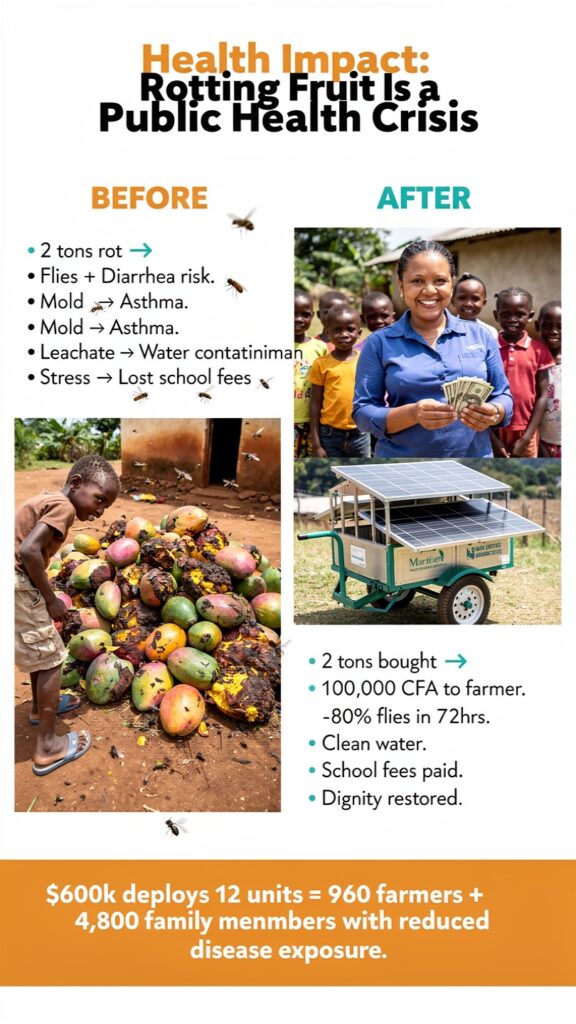
When our dryer buys Ma Helen’s mangoes at 50 CFA/kg:
- Disease vector cut: No rotting pile = 80% fewer flies in 72 hours. District nurses report fewer diarrhea cases when we operate.
- Cleaner air: No mold blooms = fewer respiratory triggers for kids + elderly.
- Water protected: Leachate stops = wells stay safe. 3,000 CFA/month saved per household.
- Mental health lift: 100,000 CFA cash in hand = school fees paid, less stress. Women report “sleeping better” when harvest has a buyer.
- Every $40k dryer = a micro public health intervention. You’re preventing diarrhea, asthma attacks, and typhoid while generating 60% margin. Donor capital + DFI capital loves this double ROI.
Why Partnership Matters
Ma Helen’s mango problem isn’t just a tech problem. It’s a systems problem.
1. The Trust Gap
Ma Helen won’t sell to a stranger with a truck. She sells to us because we partnered with her cooperative. The co-op chair vouched for us. Partnership = last-mile trust. Without local partners, you don’t get fruit. You get an empty dryer.
2. The Logistics Gap
Mangoes spoil in 48hrs. We can dry them, but we can’t build cold-chain roads to Douala overnight. We partnered with trucking co-ops to move dried product. Partnership = market access. Without logistics partners, you have inventory, not revenue.
3. The Capital Gap
One dryer is $40k. NW/SW needs 200+ units to dent the 200B CFA loss. We can’t finance that from seed rounds alone. We partnered with I&P + Cameroon Development Bank for blended finance. Partnership = scale capital. Without financial partners, you have pilots, not transformation.
4. The Impact Gap
DFIs don’t just want CO2e numbers. They want health, gender, and jobs data. We partnered with district health offices + UN Women to track diarrhea rates and women’s income. Partnership = credible impact. Without data partners, you have stories, not reports.
The math: Solo, we deploy 1 unit/year. With partners, we deployed 3 in 6 months. Partner leverage = 10x speed.
Bottom Bar: “Partnership isn’t charity. It’s strategy. It cuts our CAC by 60%, speeds deployment 3x, and de-risks investors.”